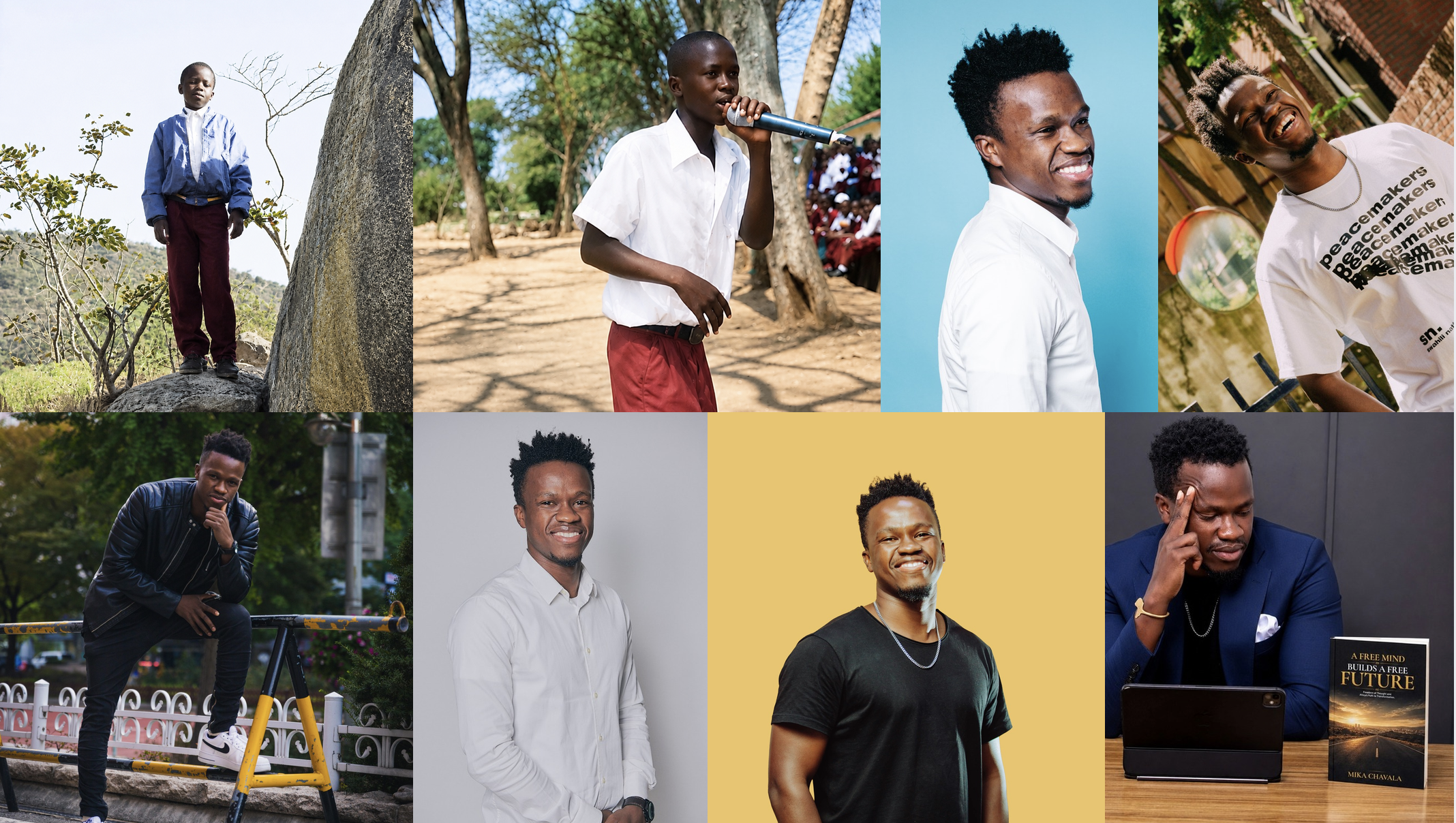
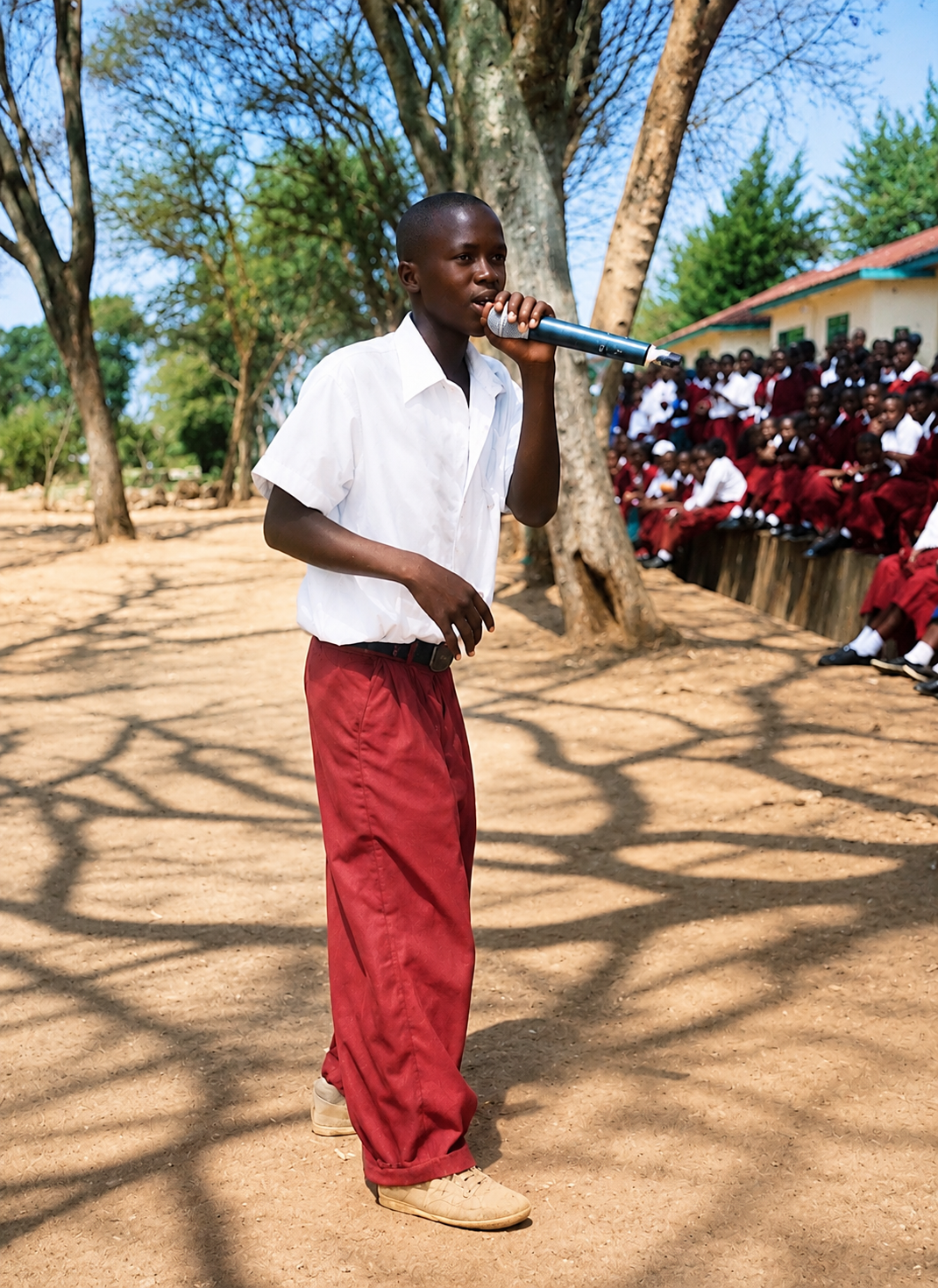
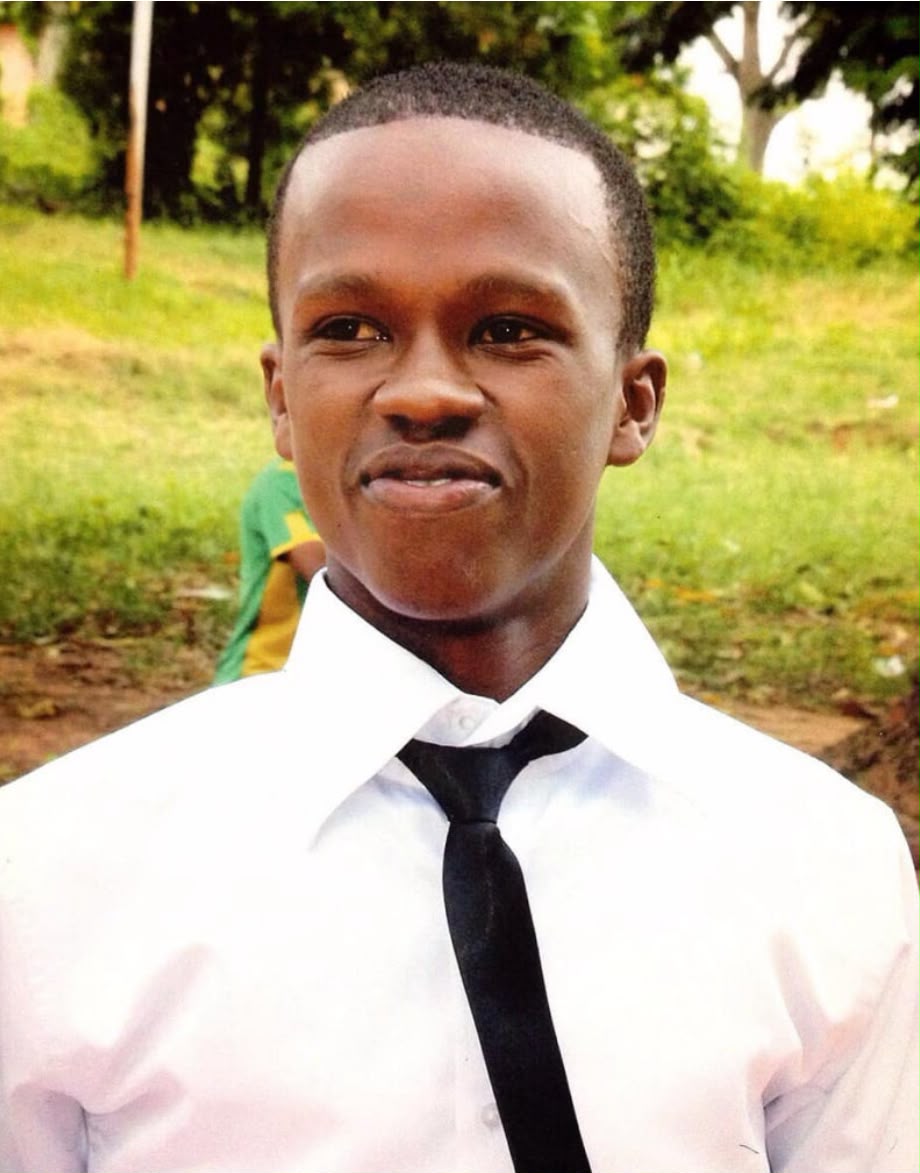
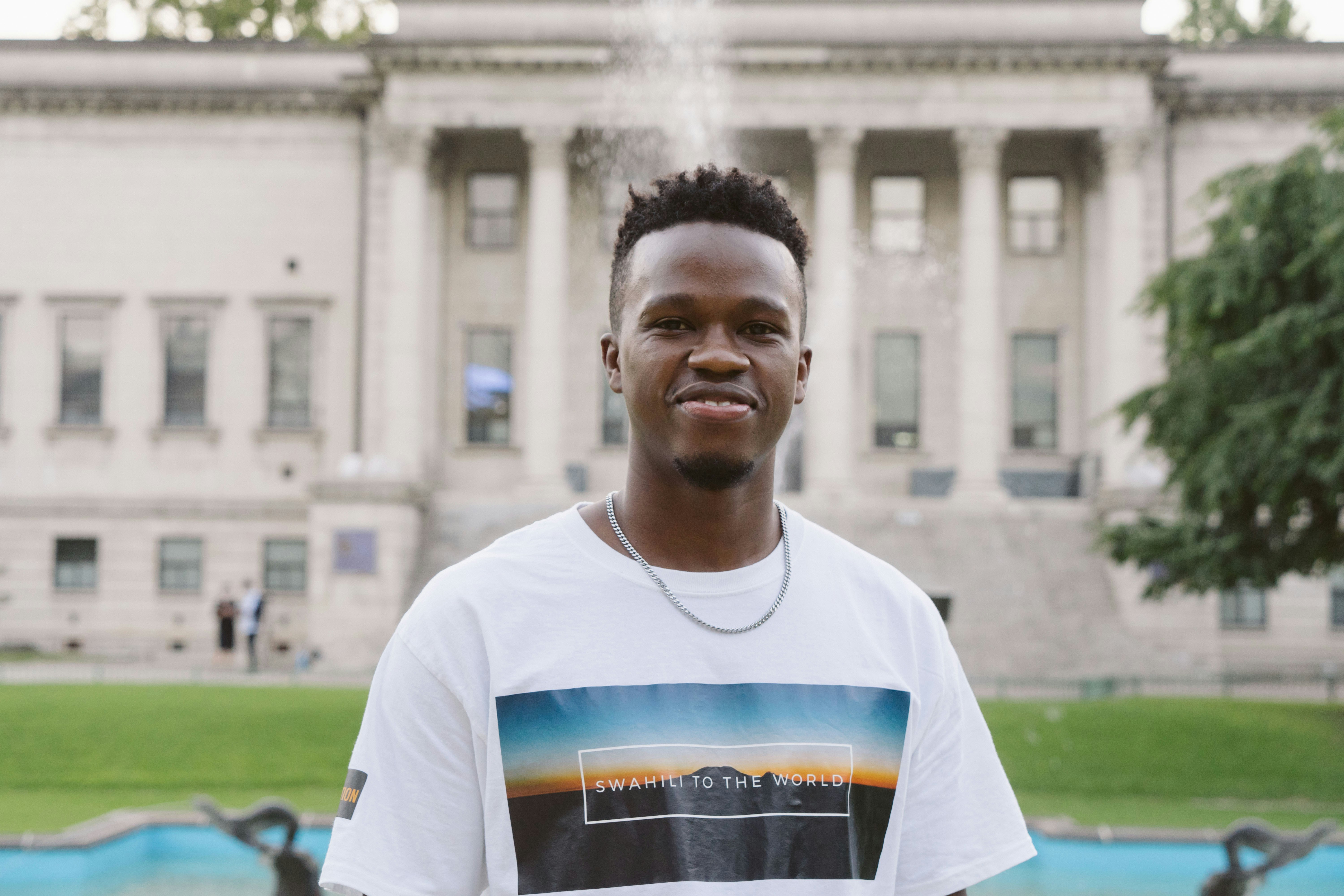
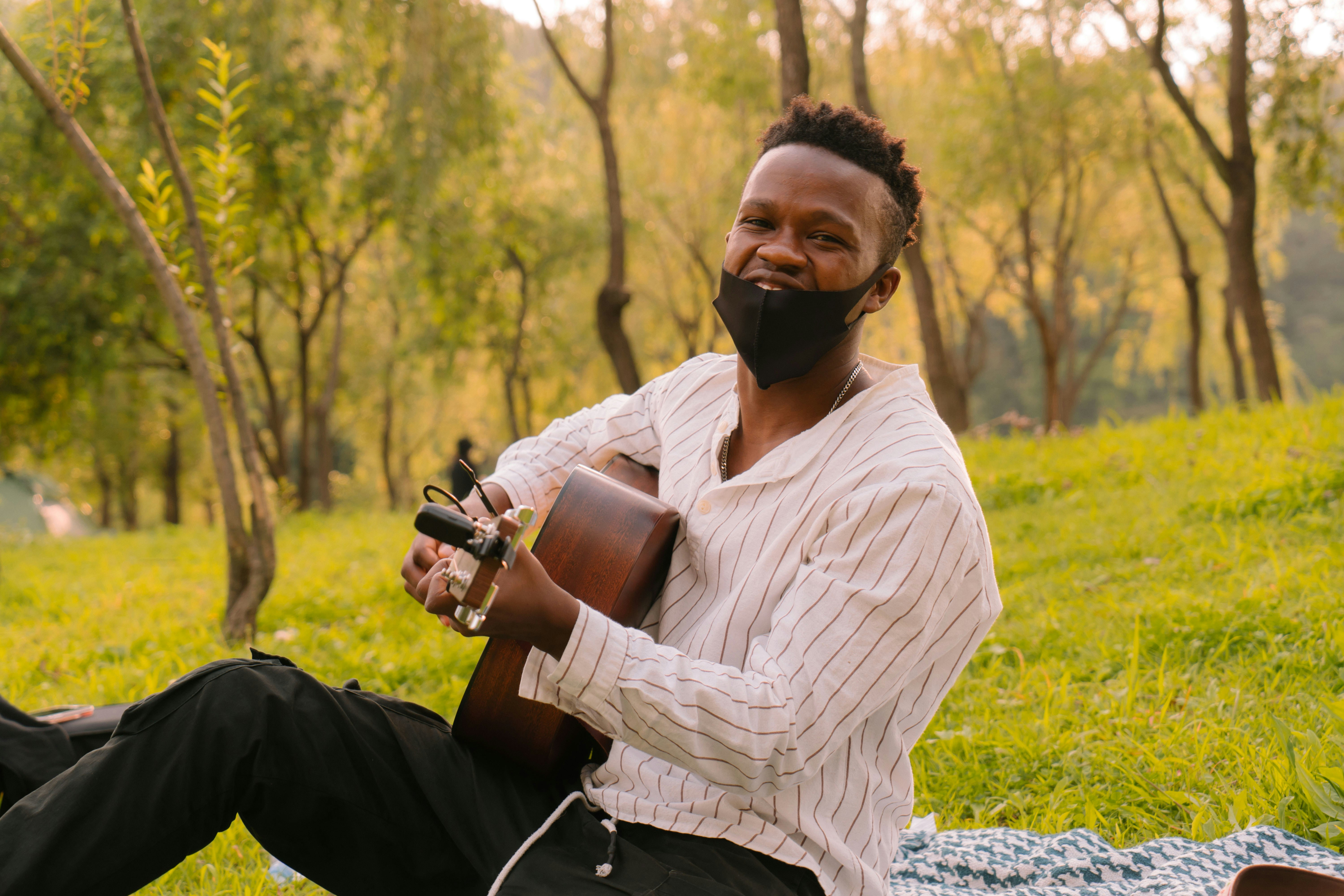
Mika Lucas Chavala's journey began in the hills of Iringa, Tanzania, where he was born and raised through the country's public education system. From humble beginnings, he carried an extraordinary dream, not simply to succeed but to help shape Africa's future.
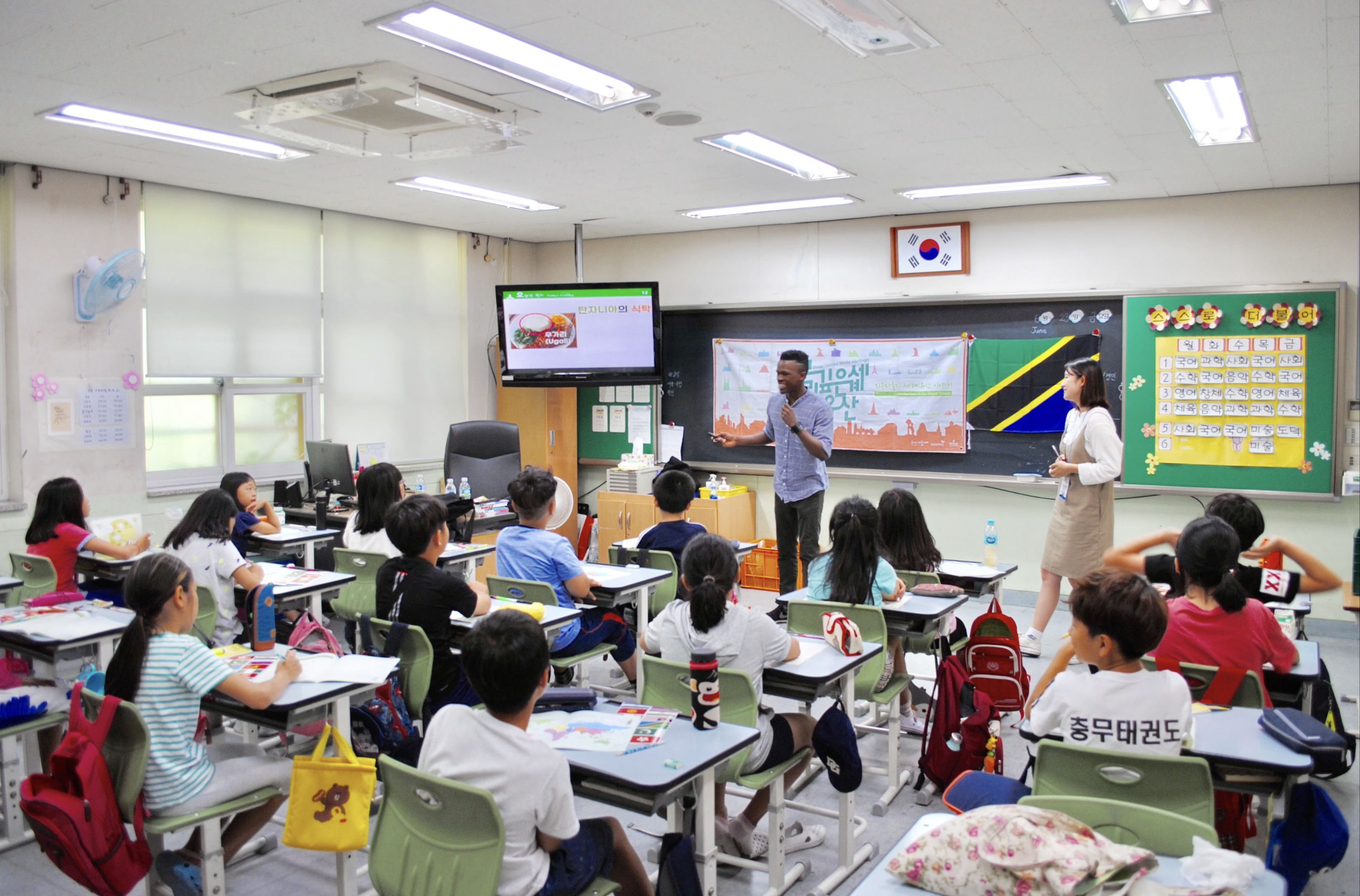
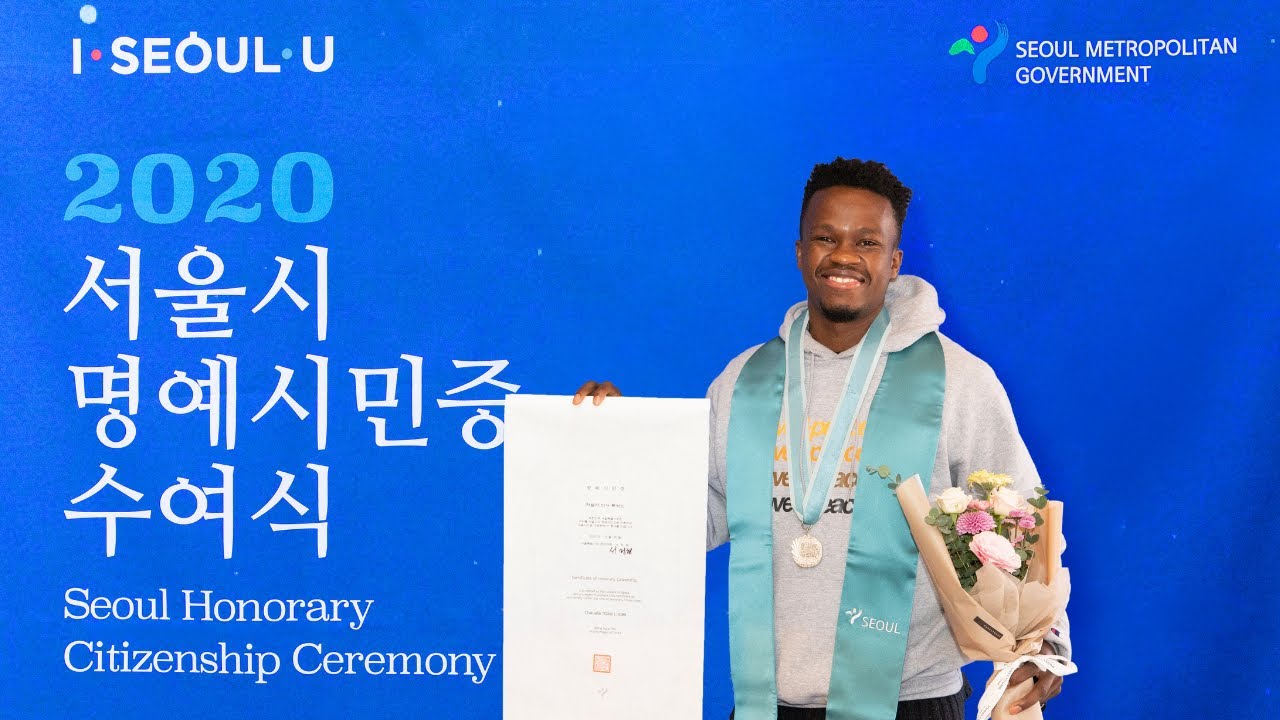
In 2013, he earned a prestigious Korean Government Scholarship to study at Seoul National University, one of Asia's leading institutions. There, he graduated with a Bachelor of Arts in Economics and a minor in West Asian Languages and Civilization. Beyond the classroom, Mika became a guest lecturer at the university's Language Education Institute, teaching Korean public servants about Tanzania, Africa, and the Swahili language. His passion for bridging cultures even captured the hearts of millions when a video of him singing worship songs in fluent Korean on a Seoul subway went viral.
Yet South Korea gave Mika something far greater than a degree. It gave him a vision.
Witnessing a nation that had transformed itself within a single generation, he began asking a simple but profound question: if they could rebuild their future, why can't Africa?
That question became his life's mission.
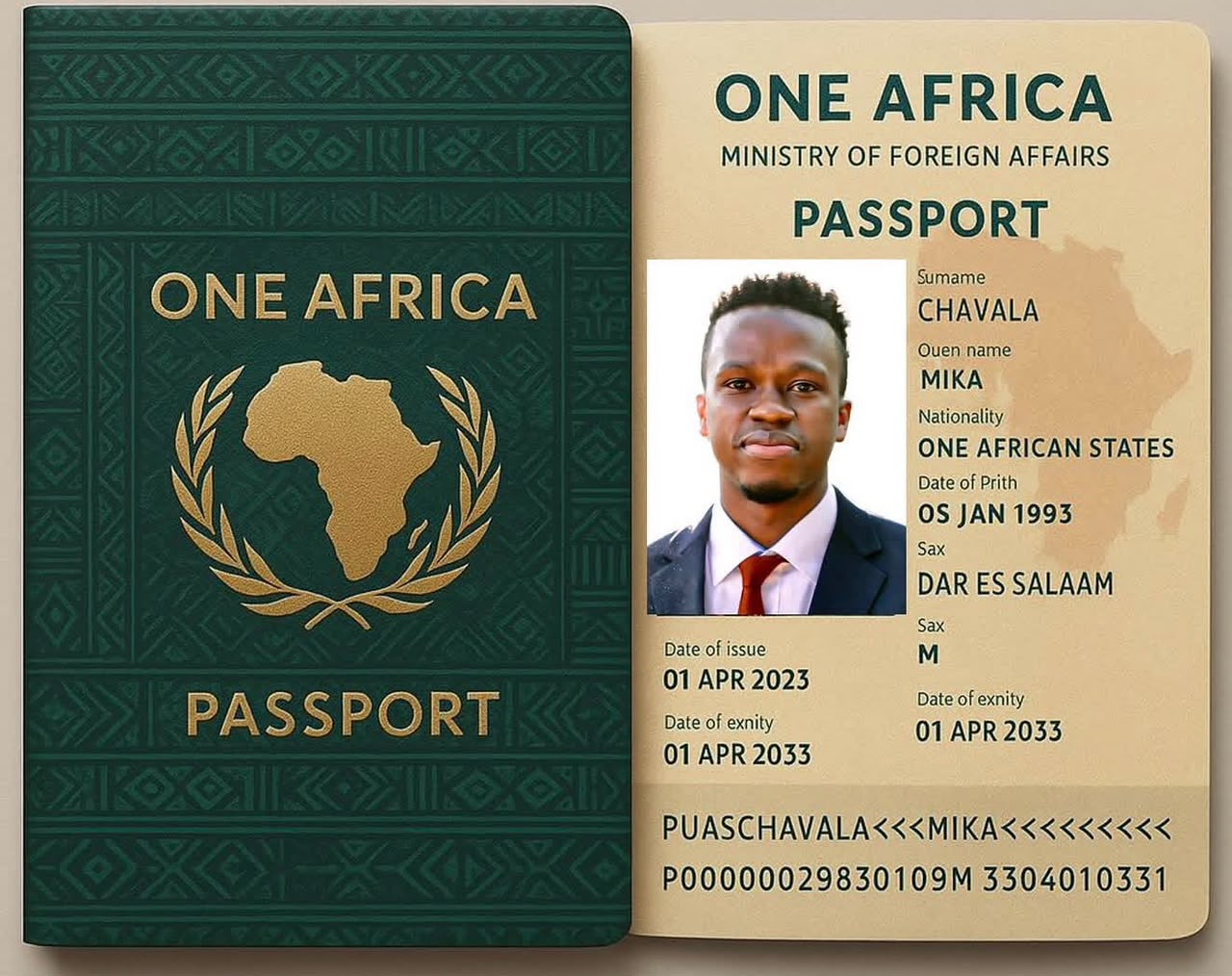
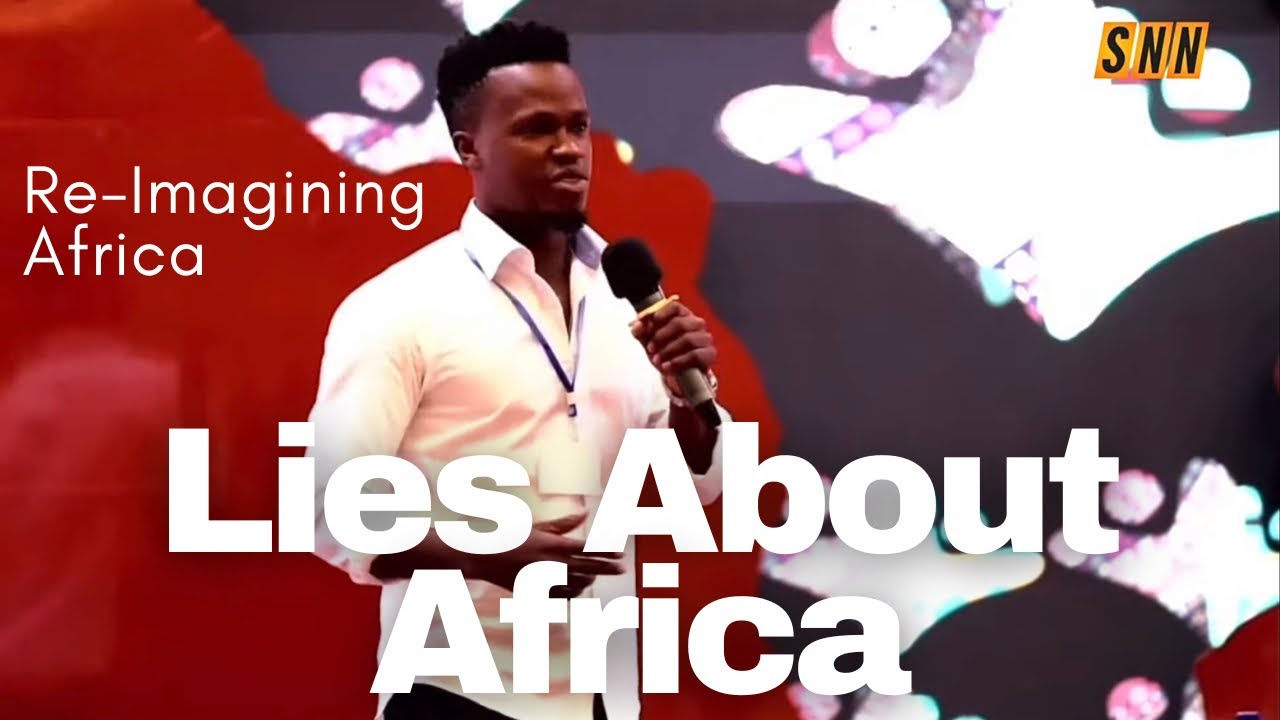
Returning to Tanzania, Mika founded Swahili Nation Network (SNN) and launched the One Africa Movement, championing a bold vision of an Africa united beyond borders: one continent, one people, and ultimately one passport. Through media, public speaking, and writing, he has inspired millions to embrace freedom of thought, responsible leadership, entrepreneurship, and Pan-African unity.
His work has taken him to international platforms, including the Pan-African Youth Summit in Addis Ababa, lectures at the University of Gondar, University of Dar es Salaam, University of Iringa, and University of Kairuki, and interviews with leading African media. He has also been recognized by The Citizen as one of Tanzania's contemporary Pan-African voices.
In 2025, that voice came at a personal cost.
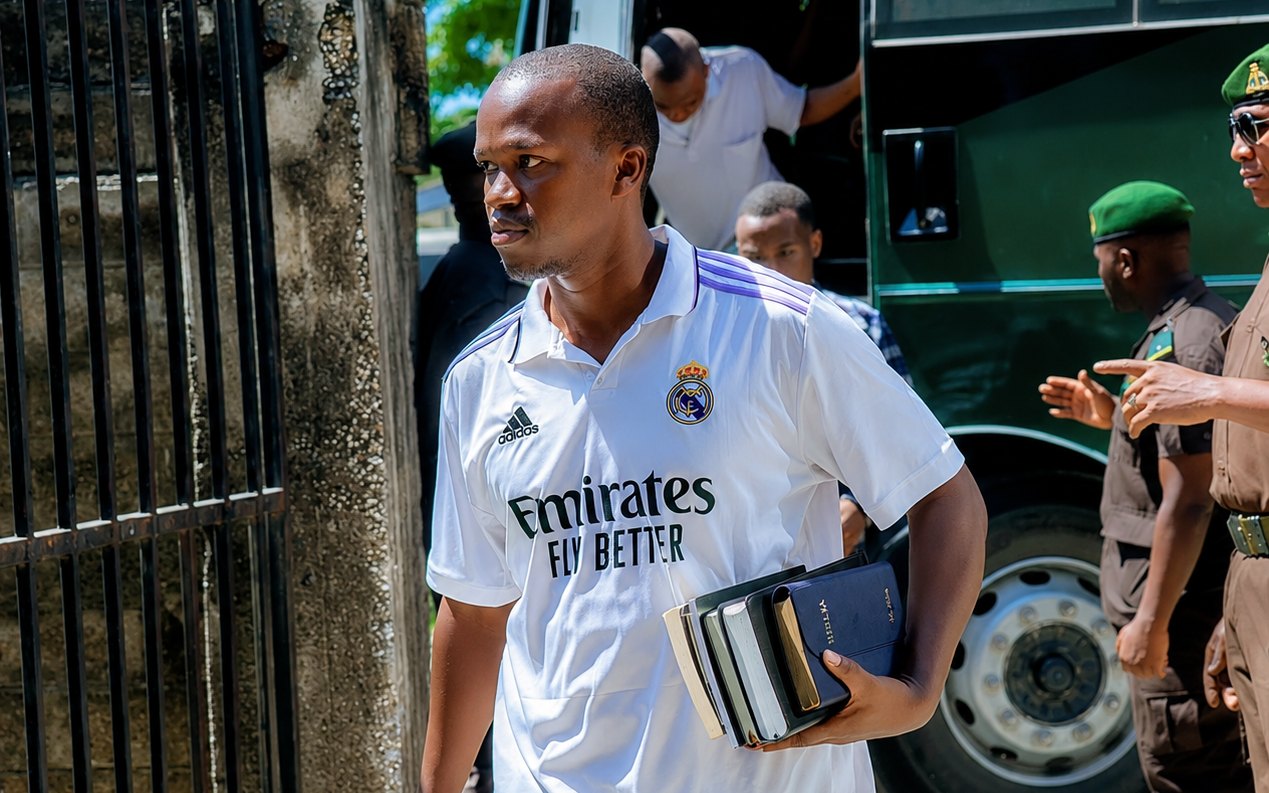
Following Tanzania's post-election protests, Mika was arrested and charged with treason after encouraging young people to speak peacefully and courageously about the future of their country. After five weeks in prison, the charges were dropped, and he walked free. Rather than allowing the experience to silence him, it strengthened his conviction that the greatest freedom any nation can possess is the freedom of its people to think.
That experience inspired his debut book, A Free Mind Builds A Free Future, a call for intellectual freedom, courageous leadership, and an Africa driven by ideas rather than limitations.
Today, Mika continues to build businesses, create media, write, and speak across Africa with one enduring belief:
A free mind builds a free future, and a united Africa can build a future that inspires the world.